
The split is per stall, not per dollar
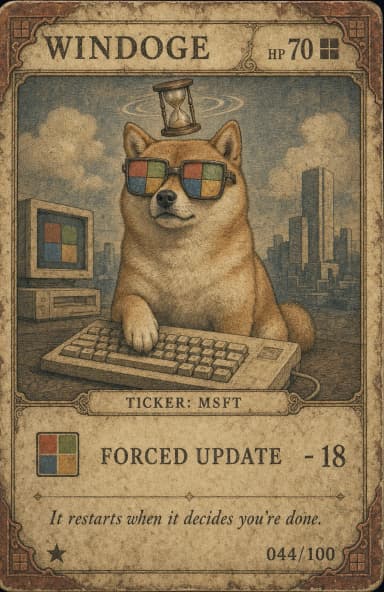
A card holding $6 of stock and a card holding $500 collect exactly the same fee from every pull, because the 70% is divided by stall count. The larger card is also drawn less often, since draw weight is the inverse of sealed value.
Your card's value is frozen when you list it
The price is read once, at that moment, and never again. If the stock moves afterwards, your draw odds and the pool's price do not move with it. Delisting and listing again is the only way to refresh it.
What happens when your card is drawn
The player picks one of four settlements within 24 hours, and doing nothing picks the fourth. Historically about three quarters waive the card for $STONK and it comes back to you untouched. Otherwise they take 85% of the shares and you keep the shell plus the rest, or they keep the card, or they take over the stall as its new packer. The last two mean the card does not come back.
While someone is deciding
A drawn card earns nothing until its settlement finishes, and you cannot delist or unpack it in the meantime. If they take the shares, it is 85% of the share count — no price feed involved — so a stock moving during those 24 hours cannot change what either of you gets.
Print slots are finite
7,100 print slots exist. Each wave releases 10% of every print run, a wave never rolls back once opened, and every unpack retires a print number without returning its quota. Both facts push the same way: the same 70% gets divided among more stalls over time.
Plainly: a drawn card can leave and not come back. The settlement rates quoted above are another protocol's history, not a prediction about this one. You carry the underlying stock's price risk for as long as the card is listed, and your listed value will not track that price. You can lose money. Every figure above is computed from contract constants and the live book; none of it is a projection.